The European Union (EU) and World Bank have raised concern over Malawi’s weakening commitment to economic reforms, following the expiry of its Extended Credit Facility (ECF) with the International Monetary Fund earlier this week.
The IMF confirmed that the programme, which was approved in November 2023, automatically lapsed on 14 May 2025 after Malawi failed to complete a single review within the required 18-month window.

“Programme implementation faced numerous challenges and, importantly, was not able to achieve macroeconomic stability,” the fund said.
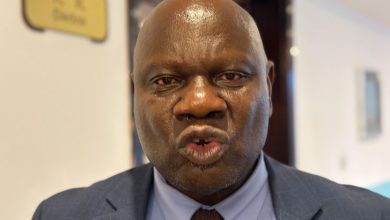
EU Ambassador to Malawi Rune Skinnebach described the development as disappointing, saying the government had not met the agreed conditions on fiscal discipline, foreign exchange generation, revenue collection and debt restructuring.
“The ECF was contributing significantly to macroeconomic stability, which is so important for Malawi,” he said in an interview.
Skinnebach noted that macroeconomic stability had become increasingly important now that traditional donors were shifting from grants to investment tools such as guarantees and concessional loans.
Without a stable environment, he warned, private investors and international financiers would struggle to operate confidently.
The EU resumed direct budget support to Malawi in 2024 after a decade-long suspension, allocating €55 million, with an initial €20 million disbursed to the education sector.
However, Skinnebach said future disbursements would depend on how Malawi manages its public finances and meets agreed sector targets.
“There’s still time for Malawi to get as much as possible out of the next tranche,” he added, explaining that the next review would take place after the September elections.
World Bank Country Manager Firas Raad expressed similar concerns, pointing to a slowdown in reforms over the past 15 months, particularly around inflation control, debt restructuring and deficit management.
“The expiration of the ECF programme will certainly delay efforts to stabilise the economy, especially given the widening imbalances and the message it sends to investors and development partners,” he said.
The IMF explained that in addition to weak revenue collection and spending pressures, Malawi had not yet concluded its commercial debt restructuring, a key step in restoring debt sustainability.
The fund has advised government to take a series of steps, including reducing the fiscal deficit, rebuilding reserves, strengthening tax administration, and loosening restrictions that deter exports and private investment.
Although the ECF has ended, the IMF remains in contact with Malawian authorities through Article IV consultations and technical assistance. The fund also confirmed that Malawi could still access concessional loans under its Poverty Reduction and Growth Trust, if credible reforms are put in place.
Donors warned that unless corrective action is taken, ordinary Malawians could be hit hardest, with rising inflation, foreign exchange shortages and reduced funding for essential public services.
Skinnebach also questioned the government’s decision to raise the public wage bill and maintain politically popular subsidies like the Affordable Inputs Programme. “When you do politics in an election year, priorities shift,” he said, adding that neither the wage increase nor the subsidy were among the EU’s budget support conditions.
Looking beyond the elections, the EU has proposed a number of reforms to improve investor confidence and boost growth.
These include revisiting land lease laws, easing export restrictions under the Crop Bill, revising the current foreign exchange retention policy, and removing barriers to tourism such as high ticket prices and an inconsistent visa regime.
“There are things Malawi can start working on straight away,” Skinnebach said. “But real change will depend on the choices made after the elections.”